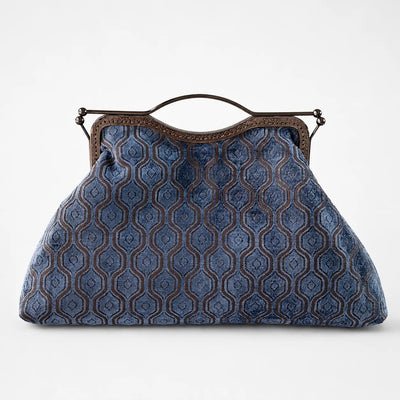
Italian Jacquard: A Fabric of Heritage and Craftsmanship
Italian jacquard is more than a textile. It is a reflection of centuries of European craftsmanship and the quiet artistry of traditional weaving.
Created using the historic jacquard technique, this fabric is distinguished by patterns that are not printed onto the surface but woven directly into the structure of the textile. Each thread becomes part of the design, creating depth, texture, and a subtle interplay of light across the fabric. Italian textile mills, many of which have been operating for generations, have refined this technique into a true art form. By combining traditional craftsmanship with modern weaving technology, they produce fabrics that are both visually rich and exceptionally durable.
The result is a material that carries a sense of heritage while remaining perfectly suited to contemporary design. Jacquard fabrics are valued not only for their intricate patterns but also for their character. The woven motifs create a refined surface that changes slightly with movement and light, giving each piece a distinctive presence.
To understand how jacquard differs from other woven textiles, see our detailed comparison of jacquard vs gobelin — the two are often confused, but they are structurally quite different. Another material worth exploring is gobelin fabric, which has a centuries-old tapestry tradition and a visual depth that jacquard alone cannot replicate. And alongside both, velvet occupies its own place in the European luxury textile tradition — with properties that no woven flat fabric can match.
In luxury accessories and handbags, Italian jacquard offers a unique balance between structure and elegance. The fabric provides strength and durability while maintaining a sophisticated aesthetic that feels timeless rather than seasonal. For anyone interested in how material choice affects longevity and value, our piece on what makes a handbag worth the price addresses this directly — and the broader principles of Italian fabric and slow fashion explain why material origin matters as much as construction.